Chinese Food

Chinese food has made a significant impact on the culinary landscape of the Philippines, evolving over time to create a unique fusion of flavors and techniques that reflect both Chinese heritage and Filipino tastes. Here’s a comprehensive look at Chinese food in the Philippines, covering its history, popular dishes, cooking styles, and cultural significance.

Historical Context

  1. Migration and Influence: Chinese migration to the Philippines dates back to the 9th century, with a notable increase during the Spanish colonial period. Chinese immigrants brought their culinary traditions, which began to blend with local ingredients and cooking methods.
  2. Cultural Integration: Over the centuries, Chinese cuisine became integrated into Filipino culture, leading to the creation of a distinct culinary identity. The Chinese community, especially the Cantonese and Hokkien immigrants, played a vital role in popularizing various Chinese dishes in the archipelago.

Characteristics of Chinese Food in the Philippines

  1. Flavor Profile: Chinese food in the Philippines is characterized by its use of soy sauce, oyster sauce, sesame oil, garlic, ginger, and a variety of spices. The dishes often balance sweet, savory, and umami flavors.
  2. Cooking Techniques: Common cooking methods include stir-frying, steaming, deep-frying, and braising. The use of woks is prevalent, reflecting traditional Chinese cooking practices.
  3. Adaptation to Local Tastes: Filipino Chinese dishes often incorporate local ingredients such as pork, chicken, seafood, and vegetables, making them unique to the region. Spices and flavors are often adjusted to suit Filipino palates, resulting in sweeter and richer variations of traditional Chinese recipes.

Popular Chinese Dishes in the Philippines

  1. Chow Mein: Stir-fried noodles with a mix of vegetables and meat, often topped with a flavorful sauce. Variations can include seafood or pork.
  2. Lumpiang Shanghai: While originally influenced by Chinese spring rolls, this dish has become a Filipino staple. It consists of ground pork, vegetables, and spices, wrapped in a thin crepe and deep-fried.
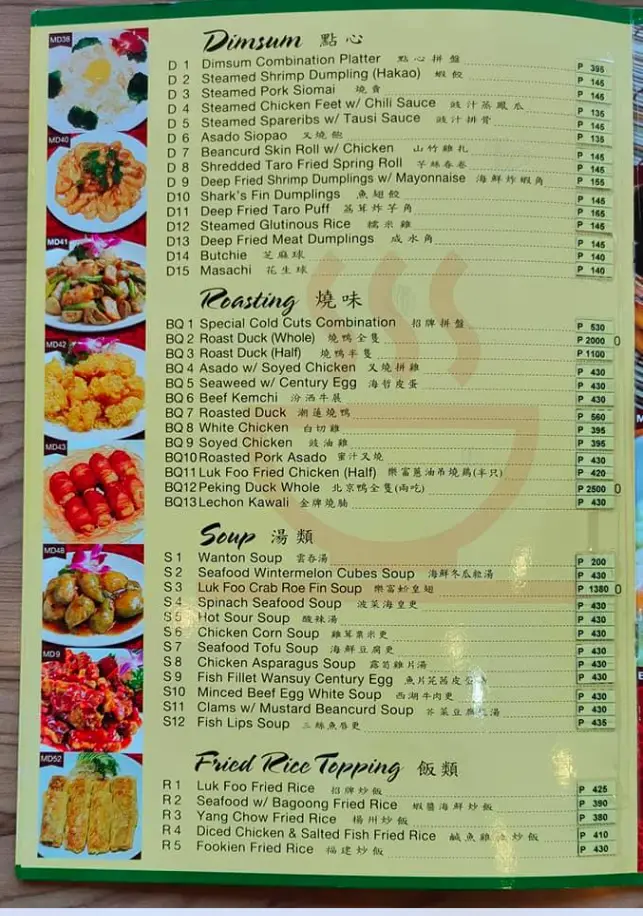
  3. Siomai: Chinese dumplings filled with ground pork, shrimp, and spices, served with soy sauce and calamansi. Siomai is a popular street food and dim sum item.
  4. Pancit Canton: A stir-fried noodle dish that includes a variety of meats and vegetables, often served during celebrations and special occasions.
  5. Sweet and Sour Pork: A dish featuring battered and deep-fried pork pieces tossed in a sweet and tangy sauce, often accompanied by bell peppers and pineapple.
  6. Hopia: A Chinese pastry filled with mung bean or lotus seed paste. This sweet treat has become a favorite snack among Filipinos.
  7. Lomi: A thick noodle soup with a rich broth, meat, and vegetables. This dish is influenced by both Chinese and Filipino culinary traditions.

Cultural Significance

  1. Festivals and Celebrations: Chinese food plays a crucial role during Chinese festivals like the Lunar New Year, where families gather to prepare and enjoy traditional dishes symbolizing prosperity and good fortune.
  2. Family and Community: Dining on Chinese food is often a communal experience, reflecting the importance of family gatherings in Filipino culture. Many families have adopted Chinese traditions, such as the practice of sharing dishes on a round table.
  3. Influence on Filipino Cuisine: Chinese culinary traditions have influenced various Filipino dishes and cooking methods. For instance, adobo can be found served alongside fried rice, showcasing the blending of flavors.

Restaurants and Culinary Scene

  1. Diverse Offerings: The Philippines boasts a wide range of Chinese restaurants, from upscale establishments serving gourmet dishes to casual eateries offering street food and comfort food options.
  2. Fusion Cuisine: Many restaurants experiment with fusion cuisine, combining Chinese flavors with Filipino ingredients, leading to innovative dishes that attract a broad audience.
  3. Street Food Culture: Street vendors offer a variety of Chinese snacks and dishes, making Chinese food accessible to a wider demographic. Siomai, kikiam (meat rolls), and fish balls are among the popular street food items.