Fast Food

Fast food in the Philippines has become an integral part of the local culture, reflecting both global influences and unique local flavors. The fast food industry has grown significantly over the years, with numerous local and international chains catering to the diverse tastes of Filipinos. Here’s a comprehensive look at the fast food scene in the Philippines:

1. Popular Fast Food Chains

Local Chains

  • Jollibee: This is the most iconic fast food chain in the Philippines, known for its unique blend of Western fast food and Filipino flavors. Signature items include:
    • Chickenjoy: Fried chicken known for its crispy skin and juicy meat, often served with gravy.
    • Jolly Spaghetti: A sweet-style spaghetti with a distinctive sauce, sliced hotdogs, and cheese.
    • Burger Steak: Burger patties served with mushroom gravy over rice.
  • Mang Inasal: Specializes in grilled chicken (inasal) served with rice and a vinegar-based dipping sauce. The restaurant is also famous for its unlimited rice offer.
  • Red Ribbon: A popular bakery chain known for its cakes, especially the Black Forest and the Mango Bravo.

International Chains

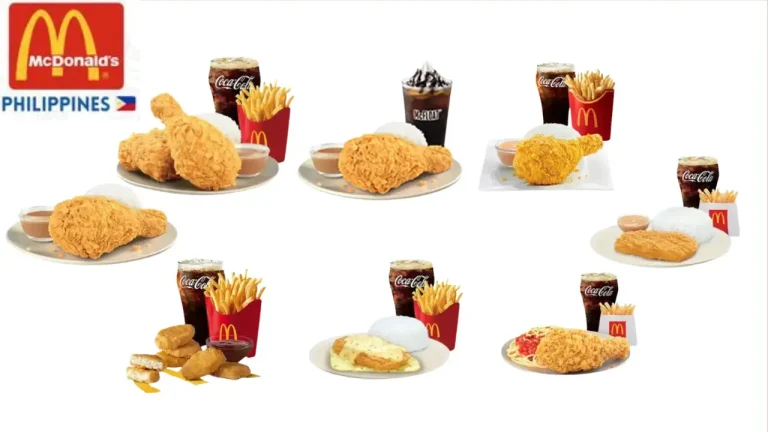
  • McDonald’s: Offers localized menu items like the McSpicy chicken sandwich and rice meals.
  • KFC: Known for its fried chicken, KFC in the Philippines also serves rice meals and unique side dishes like corn and gravy.
  • Pizza Hut: Offers a variety of pizzas, including local flavors, and is famous for its pasta and stuffed crust pizzas.

2. Menu Offerings

The fast food menu in the Philippines is diverse, catering to various tastes and dietary preferences:

  • Chicken Dishes: Fried chicken is a staple, with most chains offering their unique preparations.
  • Rice Meals: Many fast food restaurants offer meals with rice, often featuring grilled or fried meats.
  • Pasta: Spaghetti and other pasta dishes are popular, with a sweet sauce being a distinctive feature.
  • Burgers and Sandwiches: While burgers are a staple in many chains, local adaptations (such as the addition of special sauces or ingredients) are common.
  • Desserts: Desserts play a significant role, with options like halo-halo (a mixed dessert), cakes, and ice cream being popular.

3. Dining Experience

  • Family-Oriented Environment: Fast food restaurants in the Philippines often cater to families, with child-friendly facilities, party areas, and play zones.
  • Takeout and Delivery: Many chains emphasize takeout and delivery services, which have become increasingly popular, especially with the rise of online food delivery apps.
  • Cultural Events and Promotions: Restaurants often hold promotions during holidays and local festivals, offering special menus or discounts.

4. Health and Nutrition Trends

  • Growing Health Consciousness: With an increasing awareness of health and wellness, some chains have started to introduce healthier options, such as salads, grilled items, and fruit juices.
  • Nutrition Awareness: Campaigns and initiatives to educate consumers about nutrition are becoming more prevalent, prompting some fast food chains to adjust their offerings.

5. Impact on Local Culture

  • Socialization: Fast food outlets serve as social hubs where friends and families gather, making it a popular choice for casual dining.
  • Youth Culture: Fast food is particularly popular among younger generations, influenced by Western culture and advertising.

6. Challenges and Criticism

  • Health Concerns: Fast food is often criticized for contributing to unhealthy eating habits and lifestyle diseases, such as obesity and diabetes.
  • Environmental Impact: The fast food industry faces scrutiny over waste management practices and its overall environmental footprint.

7. Future Trends

  • Sustainability: There is a growing emphasis on sustainability, with some chains adopting eco-friendly practices, such as reducing plastic waste and sourcing ingredients locally.
  • Technology Integration: The use of technology for ordering, payment, and delivery is increasing, enhancing customer convenience.