Filipino Food

Filipino cuisine is a vibrant tapestry of flavors, ingredients, and cooking techniques reflecting the archipelago’s diverse cultural influences, geography, and history. Here’s a comprehensive look at Filipino food, highlighting its characteristics, popular dishes, ingredients, and regional variations.

Characteristics of Filipino Cuisine

  1. Diverse Influences: Filipino food is shaped by various cultures, including indigenous, Malay, Spanish, Chinese, American, and Indian influences. This blend has resulted in a unique culinary identity that incorporates various techniques and flavors.
  2. Flavor Profile: Filipino dishes often combine sweet, sour, salty, and umami flavors. Ingredients such as vinegar, soy sauce, and calamansi (a local citrus) are frequently used to balance and enhance flavors.
  3. Cooking Techniques: Common cooking methods include grilling, frying, stewing, and roasting. Slow-cooked dishes are prevalent, often allowing flavors to meld over time.
  4. Rice as a Staple: Rice is a fundamental part of every meal, often served with various dishes. It is typically plain, but it can also be flavored or cooked in coconut milk for dishes like sinigang (sour soup) or biko (sticky rice cake).
  5. Community and Sharing: Meals are often communal, with dishes served family-style. The concept of “kamayan” (eating with hands) is also common, especially during traditional feasts.

Key Ingredients

  1. Rice: The primary staple food in the Philippines, often served as the base for most meals.
  2. Meat and Seafood: Common proteins include pork, chicken, beef, and various seafood (fish, shrimp, and shellfish).
  3. Vegetables: A variety of vegetables are used, including eggplant, bitter melon, spinach, and tropical vegetables like taro and sweet potatoes.
  4. Fruits: Tropical fruits like mangoes, bananas, and coconuts are frequently incorporated into dishes and desserts.
  5. Condiments and Seasonings: Soy sauce, fish sauce (patis), vinegar, and spices like garlic, ginger, and onion play crucial roles in flavoring dishes.

Popular Filipino Dishes

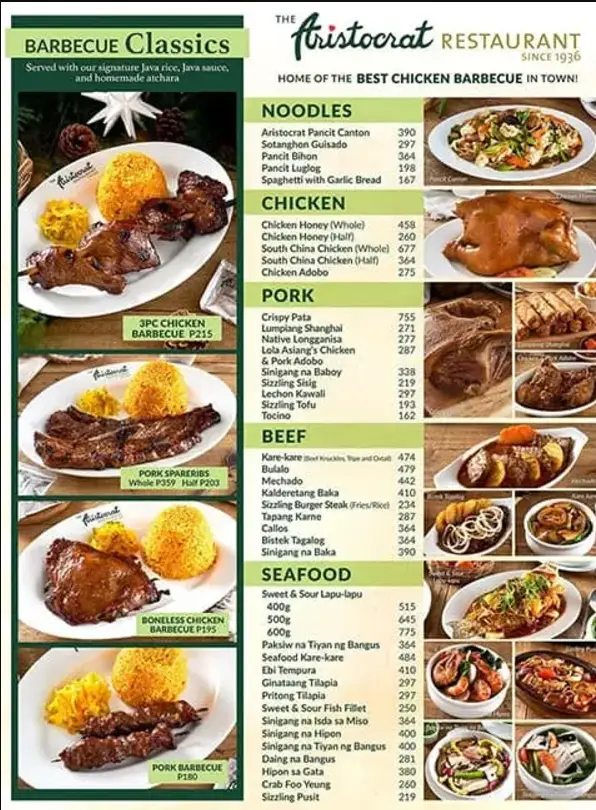
  1. Adobo: Often considered the national dish, adobo consists of meat (usually chicken or pork) marinated in vinegar, soy sauce, garlic, and spices, then braised until tender. Variations include adobo sa gata (with coconut milk) and adobo with hard-boiled eggs.
  2. Sinigang: A sour soup traditionally made with tamarind, tomatoes, and a mix of vegetables, often including pork or shrimp. The sourness can also come from other sources like calamansi or green mango.
  3. Lechon: A whole roasted pig, known for its crispy skin and tender meat, often served during celebrations and special occasions. The preparation requires a whole pig roasted over an open flame or in a specialized oven.
  4. Kare-Kare: A rich and hearty oxtail stew made with peanut sauce, often accompanied by bagoong (fermented shrimp paste) and vegetables like eggplant and string beans.
  5. Lumpia: Filipino spring rolls filled with a mixture of vegetables and/or meat. There are two popular types: lumpiang shanghai (fried) and lumpiang sariwa (fresh).
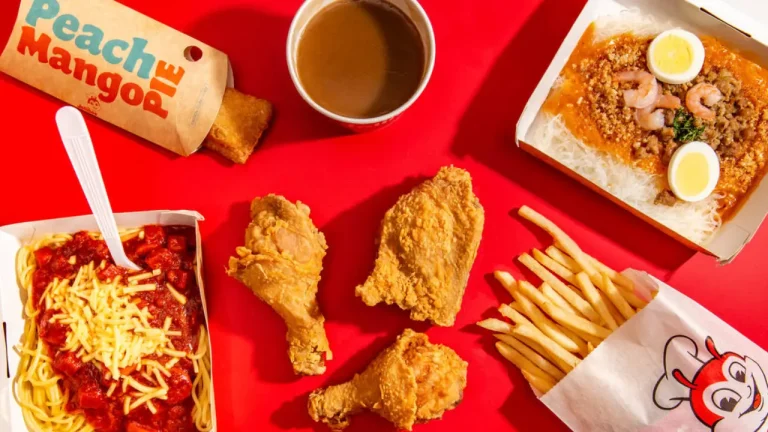
  6. Pancit: A general term for noodles in the Philippines. Various types include pancit canton (stir-fried egg noodles) and pancit bihon (rice noodles), often prepared with vegetables and a choice of meat.
  7. Halo-Halo: A popular dessert made with a mix of crushed ice, sweetened fruits, jellies, and beans, topped with leche flan (caramel custard), ube (purple yam), and sometimes ice cream.

Regional Variations

Filipino cuisine varies significantly across the country’s 7,641 islands, each region showcasing its unique flavors and dishes:

  1. Luzon:
    • Ilocos Region: Known for bagnet (crispy pork belly) and empanada (savory pastry).
    • Pangasinan: Famous for its longganisa (local sausage) and pigar-pigar (beef stir-fry).
  2. Visayas:
    • Cebu: Renowned for lechon and puso (hanging rice).
    • Bohol: Known for binignit (a sweet dish made with root vegetables and coconut milk).
  3. Mindanao:
    • Zamboanga: Famous for satti (grilled skewers) and curacha (a type of crab).
    • Davao: Known for its durian and kinilaw (raw fish salad).