Japanese Food

Japanese cuisine has become immensely popular in the Philippines over the years, reflecting both traditional Japanese flavors and localized adaptations. Here’s a comprehensive overview of Japanese food in the Philippines:

1. Overview of Japanese Cuisine

Japanese food emphasizes seasonality, quality ingredients, and presentation. Common elements include rice, noodles, seafood, vegetables, and various sauces. Traditional cooking methods such as grilling, steaming, and frying are widely used.

2. Popular Japanese Dishes in the Philippines

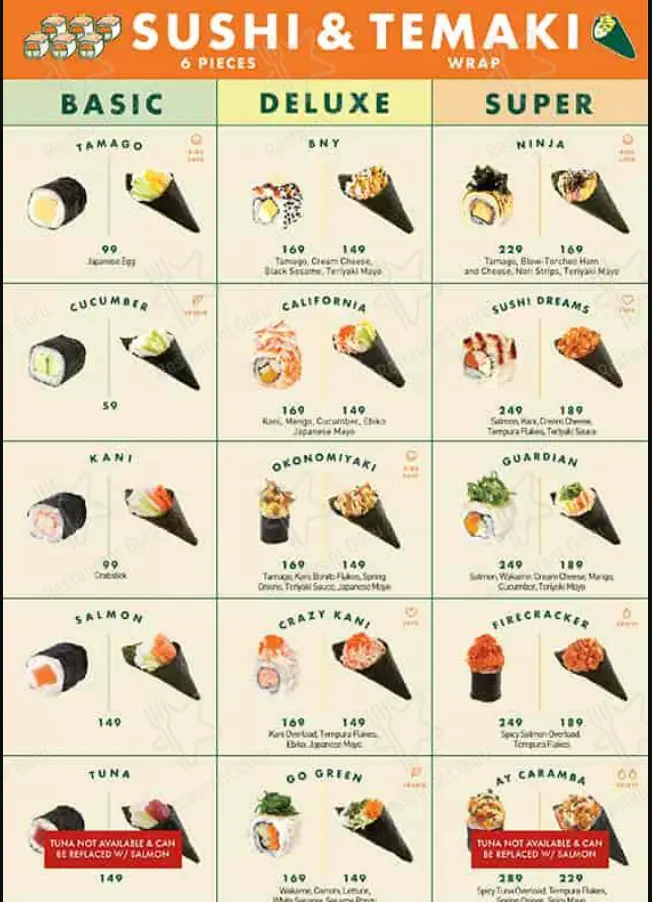
Sushi and Sashimi

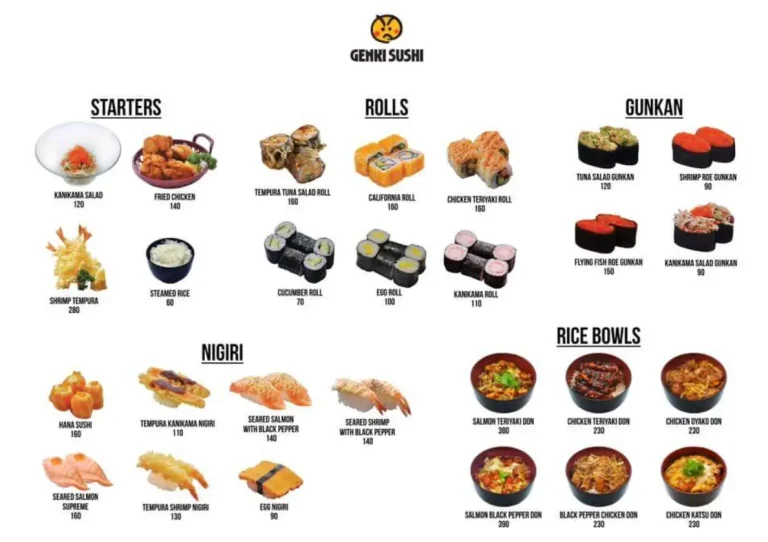
  • Sushi: This dish features vinegared rice combined with various ingredients, including raw fish, vegetables, and sometimes tropical fruits. Popular types include nigiri (hand-formed rice topped with fish), maki (rolled sushi), and temaki (hand rolls).
  • Sashimi: Slices of raw fish, often served with soy sauce and wasabi. Common types include salmon, tuna, and octopus.

Ramen

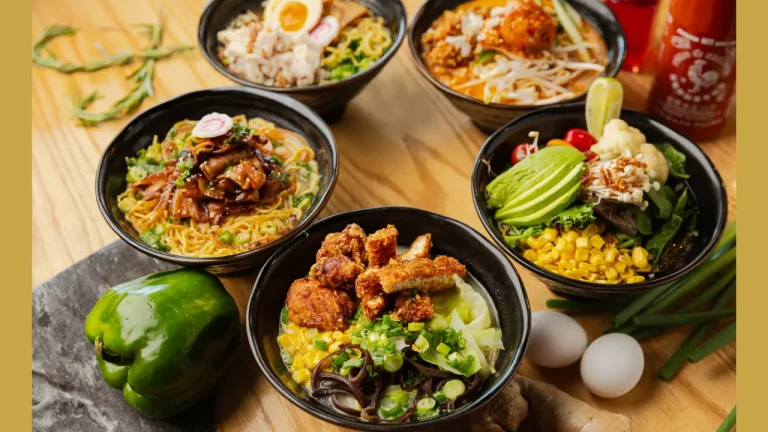
Ramen is a noodle soup dish that has gained a massive following. It consists of wheat noodles served in a rich broth flavored with soy sauce or miso, and topped with ingredients like chashu (braised pork), nori (seaweed), and green onions. Various styles such as tonkotsu (pork bone broth) and shoyu (soy sauce broth) are popular.

Tempura

This dish involves seafood or vegetables that are battered and deep-fried to create a light, crispy texture. It is often served with a dipping sauce made from soy sauce, mirin, and grated daikon radish.

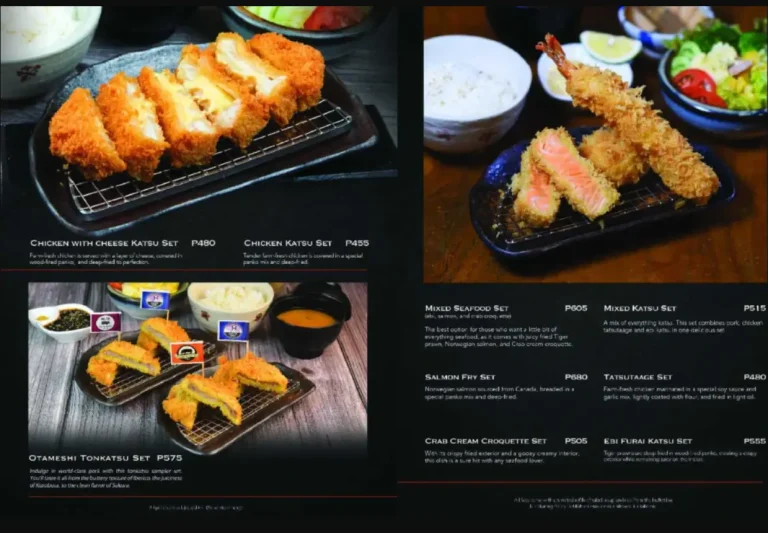
Katsudon

A comfort food favorite, katsudon is a bowl of rice topped with a breaded and fried pork cutlet (tonkatsu), simmered in a sweet-savory sauce, along with egg and onions.

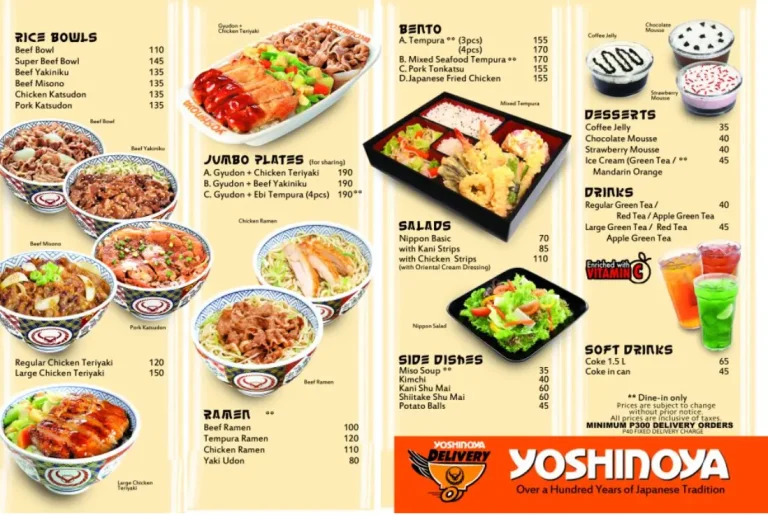
Donburi

Donburi refers to rice bowls topped with various ingredients. Popular variations include gyudon (beef), oyakodon (chicken and egg), and unadon (grilled eel).

3. Regional Variations and Influences

Japanese cuisine in the Philippines often incorporates local ingredients and flavors, leading to unique dishes. For example:

  • Sushi with tropical ingredients: Some sushi rolls may use mango or avocado, reflecting Filipino tastes.
  • Spicy variations: Spicy tuna rolls and tempura with local spices cater to Filipino palates.

4. Japanese Fast Food and Casual Dining

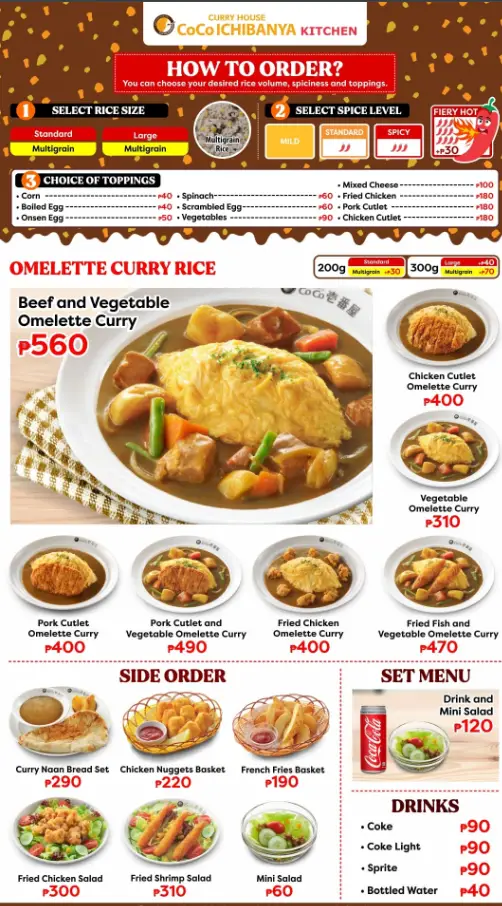
Japanese food has become mainstream in the Philippines, with numerous fast-casual restaurants and chains serving affordable, quick meals. Notable chains include:

  • Jollibee’s Tofu Katsu: A Filipino twist on Japanese katsu.
  • Tokyo Tokyo: A popular chain that offers a variety of Japanese dishes, including bento boxes and ramen.

5. Fine Dining and Authentic Restaurants

Several high-end restaurants in major cities like Manila offer authentic Japanese dining experiences, showcasing traditional kaiseki (multi-course meals) and omakase (chef’s choice) dining.

6. Cultural Events and Festivals

Japanese food is often featured in cultural festivals and events throughout the Philippines, showcasing dishes during celebrations like Tanabata (Star Festival) and Hanami (cherry blossom viewing).

7. Availability of Ingredients

Japanese ingredients have become widely available in supermarkets and specialty stores. Items like nori, miso paste, and sake can be easily found, allowing home cooks to prepare traditional Japanese meals.