Italian Food

Italian food has become a beloved culinary genre in the Philippines, reflecting a fusion of traditional Italian flavors with local ingredients and cooking techniques. Here’s a comprehensive overview of Italian food in the Philippines:

1. Historical Context

  • Colonial Influence: The Philippines has a long history of trade and cultural exchange with Italy, dating back to the Spanish colonial period. This paved the way for Italian cuisine to take root in the archipelago.
  • Modern Popularity: In recent decades, the popularity of Italian food has surged, particularly with the rise of Italian restaurants and pizzerias across the country. This trend has been fueled by globalization and the growing Filipino appreciation for diverse culinary experiences.

2. Key Ingredients

  • Pasta: Various types of pasta, such as spaghetti, fettuccine, and lasagna, are widely used. Fresh pasta is often made in local restaurants.
  • Tomatoes: Fresh tomatoes, tomato paste, and canned tomatoes are staples for sauces.
  • Olive Oil: Extra virgin olive oil is commonly used for cooking and as a dressing.
  • Cheese: Commonly used cheeses include mozzarella, Parmesan, ricotta, and pecorino.
  • Herbs and Spices: Basil, oregano, garlic, and parsley are frequently used, often sourced locally.
  • Seafood and Meat: Fresh seafood, pork, chicken, and beef are essential components of various Italian dishes.

3. Popular Dishes

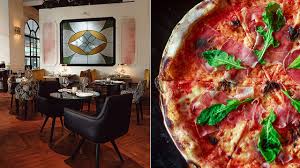
  • Pizza: Pizza is perhaps the most popular Italian dish in the Philippines, available in various styles, from Neapolitan to Chicago deep-dish. Local adaptations often include unique toppings such as longganisa (Filipino sausage) and tropical fruits like pineapple.
  • Pasta Dishes:
    • Spaghetti Bolognese: A tomato-based sauce with ground meat, often enjoyed by families.
    • Fettuccine Alfredo: Creamy pasta dish that is a favorite among diners.
    • Penne Arrabbiata: A spicy tomato sauce that appeals to Filipino palates.
  • Risotto: Creamy rice dishes, often made with seafood or vegetables, are gaining popularity.
  • Lasagna: Layers of pasta, meat, cheese, and sauce, often served in family-style portions.
  • Antipasto: A platter featuring cured meats, cheeses, olives, and marinated vegetables, popular as an appetizer.

4. Regional Variations

  • While many Italian dishes are universally popular, local adaptations are common. For example, pizzas may be topped with local ingredients, and pasta sauces may incorporate Filipino flavors like soy sauce or vinegar.
  • Some areas in the Philippines have their own unique interpretations of Italian cuisine, blending traditional Italian techniques with local tastes.

5. Dining Culture

  • Casual Dining: Many Italian restaurants in the Philippines offer a casual atmosphere, making them popular spots for families and friends.
  • Fine Dining: Upscale Italian restaurants provide an elegant dining experience, often featuring a range of authentic dishes, wine pairings, and exquisite presentations.
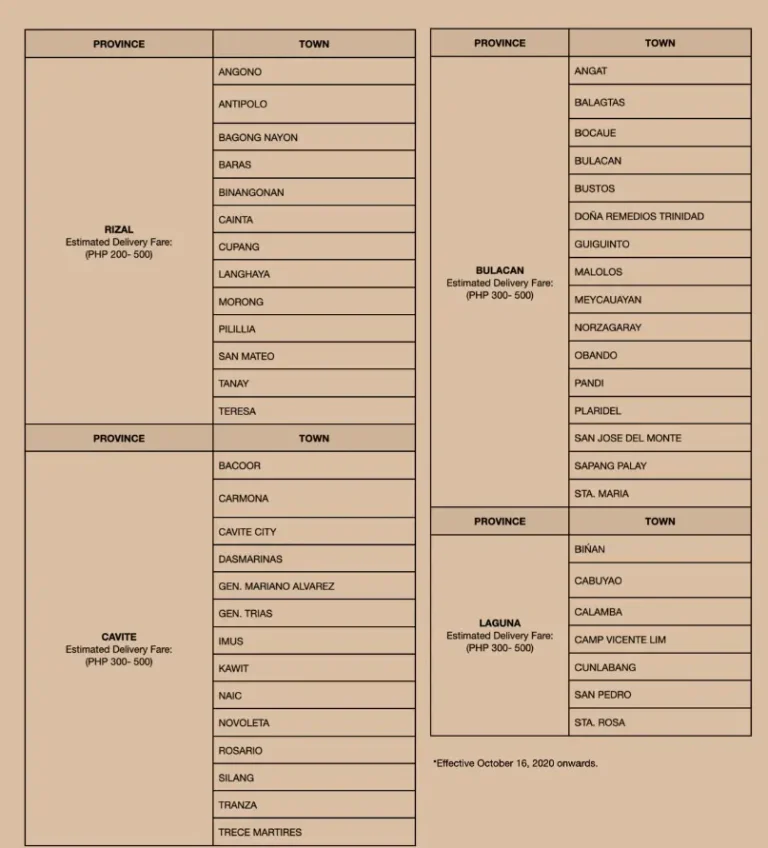
  • Takeout and Delivery: With the growth of food delivery services, Italian dishes, especially pizza and pasta, are readily available for takeout.

6. Culinary Trends

  • Fusion Cuisine: Some chefs experiment with fusion dishes that blend Italian cooking with Filipino ingredients, such as pizza topped with adobo or pasta served with sinigang sauce.
  • Health Conscious Options: There is a growing trend toward healthier Italian options, including gluten-free pasta, vegan pizzas, and organic ingredients.
  • Artisanal and Authentic: A movement towards artisanal Italian cuisine has emerged, with a focus on handmade pasta and traditional cooking methods.

7. Wine and Beverage Pairings

  • Italian wines are increasingly popular in the Philippines, with many restaurants offering extensive wine lists that feature both Italian and local wines.
  • Classic Italian beverages like espresso and cappuccino are commonly served, along with local coffee blends.

8. Italian Festivals and Events

  • Italian food festivals and events are held in various cities, showcasing Italian culinary traditions, cooking demonstrations, and tastings. These events help promote Italian culture and cuisine in the Philippines.