Western Food

Western food in the Philippines has evolved significantly over the years, influenced by various factors such as historical colonization, globalization, and local culinary adaptations. Here’s a comprehensive description of Western food in the Philippines, covering its history, popular dishes, dining trends, and cultural significance.

Historical Context

  1. Colonial Influence: The introduction of Western food to the Philippines began during the Spanish colonization (1565-1898). Spanish cuisine influenced Filipino dishes, with ingredients like tomatoes, onions, and garlic becoming staples.
  2. American Period: The American occupation (1898-1946) had a profound impact on Filipino food culture. The introduction of fast food, canned goods, and new cooking methods led to the rise of American dining habits.
  3. Globalization: In recent decades, globalization has further diversified the food landscape, leading to the incorporation of various Western culinary styles and ingredients.

Popular Western Dishes in the Philippines

  1. Fast Food: Fast food chains like McDonald’s, KFC, and Jollibee (a Filipino brand with American influence) are ubiquitous. Popular menu items include burgers, fried chicken, spaghetti, and breakfast items like pancakes.
  2. Pasta: Italian pasta dishes, particularly spaghetti, lasagna, and macaroni, are widely enjoyed. Filipino-style spaghetti, characterized by its sweet sauce and hot dogs, is a unique adaptation.
  3. Pizza: Pizza is extremely popular, with both international chains and local establishments offering a variety of toppings, including local ingredients like longganisa (Filipino sausage) and tinapa (smoked fish).
  4. Burgers: Hamburgers have become a staple, with many restaurants and food stalls serving gourmet versions alongside classic fast-food styles. Unique toppings and local flavors often enhance the experience.
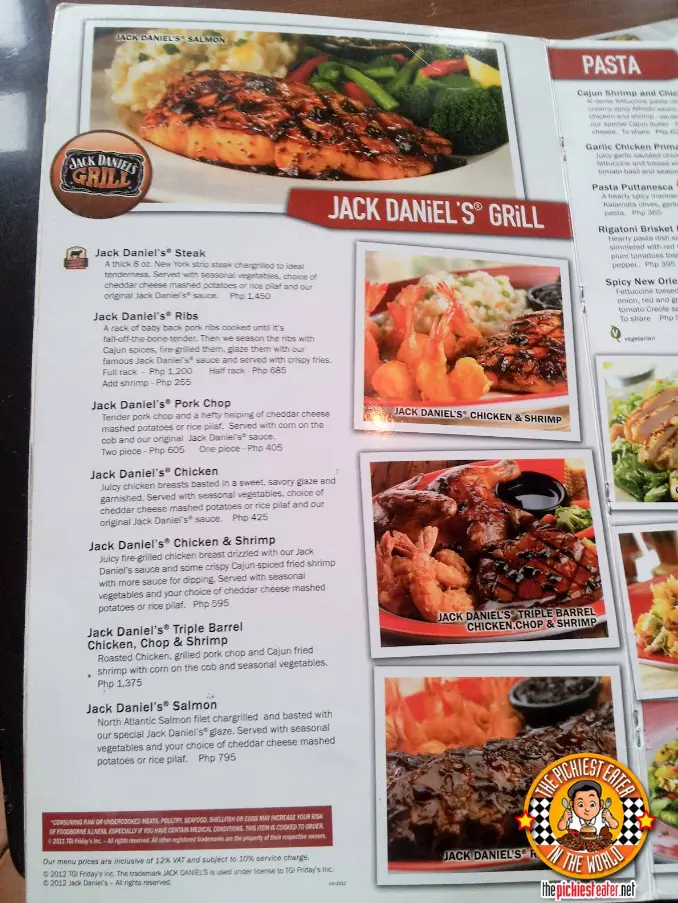
  5. Steaks: Steak houses have gained popularity, offering a range of meat cuts often served with sides like mashed potatoes and vegetables. American-style barbecue, including ribs and brisket, is also well-received.
  6. Sandwiches: From classic club sandwiches to local adaptations using Filipino ingredients, sandwiches are a common choice for snacks and meals.
  7. Breakfast Foods: Western breakfast items like pancakes, waffles, and omelets are often served in cafes and restaurants, sometimes with a Filipino twist (e.g., adding tocino or longganisa).

Dining Trends

  1. Cafes and Brunch Spots: There has been a significant rise in cafes serving Western breakfast and brunch items. These establishments often focus on artisanal coffee, pastries, and light meals.
  2. Food Trucks and Street Food: The food truck culture has grown, offering gourmet burgers, tacos, and fusion dishes that blend Western and Filipino flavors.
  3. International Cuisine: Aside from traditional Western food, the Philippines has embraced various international cuisines, including Italian, French, and American, resulting in diverse dining options.
  4. Health-Conscious Options: With increasing health awareness, many restaurants now offer healthier versions of Western dishes, including salads, grain bowls, and plant-based alternatives.

Cultural Significance

  1. Social Gatherings: Western food often plays a central role in social gatherings, celebrations, and family events. It is common to find pasta and roasted meats served during fiestas and holidays.
  2. Fusion Cuisine: The blending of Western and Filipino flavors has led to innovative dishes, such as using local seafood in pasta or incorporating Filipino spices in burgers.
  3. Comfort Food: Many Filipinos consider Western food, particularly fast food, as comfort food due to its familiarity and accessibility.
  4. Economic Impact: The proliferation of Western fast food chains has significantly influenced the Philippine economy, providing jobs and contributing to the growth of the food industry.